
Ehsaas Program Eligibility Criteria and Updates
What the program is
The Ehsaas Program is a nationwide safety net designed to support low-income households through financial assistance, social protection, and opportunities for long-term stability. It brings several welfare schemes under one umbrella so families can access help without complicated procedures.
Core purpose and social protection mission
The program’s mission is simple: reduce poverty and give vulnerable families a fair chance at improving their lives. It supports people through cash transfers, food subsidies, interest-free loans, youth development, and initiatives that help families stay afloat during tough economic periods.
Who benefits
Beneficiaries include daily-wage earners, unemployed individuals, women-led households, senior citizens, people with disabilities, students from low-income families, and communities affected by rising costs of living.
Why it matters in 2026 and beyond
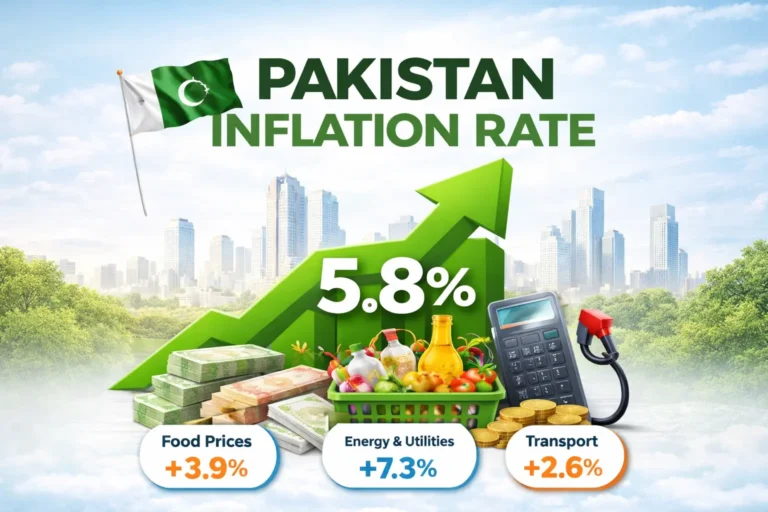
In 2026, rising inflation and financial uncertainty continue to affect millions. The Ehsaas framework provides dependable support, helping families pay for essentials, access training programs, and build resilience. As the country adapts to economic pressures, the program remains a critical lifeline.
Key program pillars
- Direct financial support to eligible families
- Food and utility subsidies
- Youth skill-building and employment programs
- Interest-free loans and entrepreneurship support
- Social protection for elderly and disabled individuals
- Transparency through digital verification and CNIC-based checks
Latest Updates (2026 Edition)
New government announcements
The government has shared fresh updates for 2026, focusing on expanding coverage and simplifying registration steps. More households are expected to qualify this year due to revised income thresholds.
Updated registration timelines
Registration stays open throughout the year, but district-level surveys and verification visits follow fixed schedules. Families are encouraged to complete CNIC checks early to avoid delays.
Budget allocations
Additional funds have been set aside to support new beneficiaries and strengthen digital verification systems. This includes improvements to payment centers and mobile tracking tools.
Policy changes affecting beneficiaries
Key changes include updated income cutoffs, additional support for women-led families, and revised guidelines for re-verification if someone changes their address or phone number.
Impact on households
With the latest adjustments, more families are accessing steady financial support. Many report better stability in managing essential expenses and fewer disruptions in their monthly budgets.
Collaboration & Global Support
Role of the Bill & Melinda Gates Foundation
The foundation supports digital transparency and data systems that improve beneficiary verification. Their involvement strengthens fairness and reduces the chances of errors or duplicate entries.
Partnership objectives and outcomes
The goal is to enhance digital inclusion, make payments more reliable, and support programs that help low-income communities access financial tools and healthcare resources.
Projects under this collaboration
Collaborative efforts include digital ID improvements, poverty-mapping tools, and initiatives that connect rural households to mobile payment systems.
Support from the World Bank
The World Bank backs the expansion of social protection initiatives by offering technical guidance and financial support, helping the program reach more households across the country.
How global aid strengthens social protection
International partners help ensure the program remains modern, transparent, and accessible. Their expertise improves monitoring systems, reduces leakages, and ensures that funds reach families who genuinely need help.
Ehsaas Naujawan Programme
Purpose and benefits
This initiative focuses on young people who want better job opportunities or practical skills. It offers training, internships, and pathways to income generation.
Training and skill development
Youth can join courses in digital skills, technical trades, freelancing, agriculture, and small business development. These programs aim to equip them with market-ready skills.
Application process
Applicants typically submit basic details such as their CNIC, education level, and preferred training track. Verification is done through national databases, and selected candidates receive placement notifications.
Eligibility criteria
- Pakistani citizens aged 18–35
- Valid CNIC
- Preference for unemployed youth or those from low-income households
- Enrollment based on district quotas and program availability
Ehsaas Program Eligibility Criteria
Income requirements
Families must fall below a certain monthly income threshold, determined through the national poverty registry. Households with unstable or informal income sources are also considered.
Geographic and demographic requirements
Eligibility varies by region, with extra support for rural areas, flood-affected districts, and communities facing high living costs. Women-led households receive priority in several schemes.
Required documents
- Valid CNIC
- Registered mobile number
- Proof of residence if recently relocated
- Family details for verification
Special categories (women, elderly, disabled, students)
Certain groups receive tailored support:
- Women may qualify for higher priority cash transfers
- Senior citizens can access support without stringent income checks
- People with disabilities receive additional subsidies and enrollment support
- Students from low-income families can apply for stipends and education-focused initiatives
IneligibilityIn-Eligibility Criteria
Who does not qualify
Not everyone can receive Ehsaas Program support. Households or individuals may be ineligible if they:
- Have a stable or high income above the threshold
- Own multiple properties or luxury vehicles
- Are government employees in certain categories
- Already receive support from overlapping welfare programs
Common reasons for rejection
- Incorrect CNIC details or expired CNIC
- Duplicate entries in the system
- Mismatch in income or family data
- Failing district or local verification
How to fix eligibility issues
- Verify your CNIC details with NADRA
- Update family and income information at your local Ehsaas office
- Reapply after correcting errors
- Keep documentation ready to resolve disputes quickly
How to Register for the Ehsaas Program
Online Registration
Step-by-step process
- Visit the official Ehsaas portal
- Enter your CNIC and basic household information
- Upload any required documents
- Submit the application
- Receive a confirmation code or SMS
Required documents
- CNIC
- Household information
- Utility bill or proof of residence (if requested)
Portal walkthrough
The portal has guided steps with prompts for each field. Screens display instructions clearly, including how to upload documents and verify details.
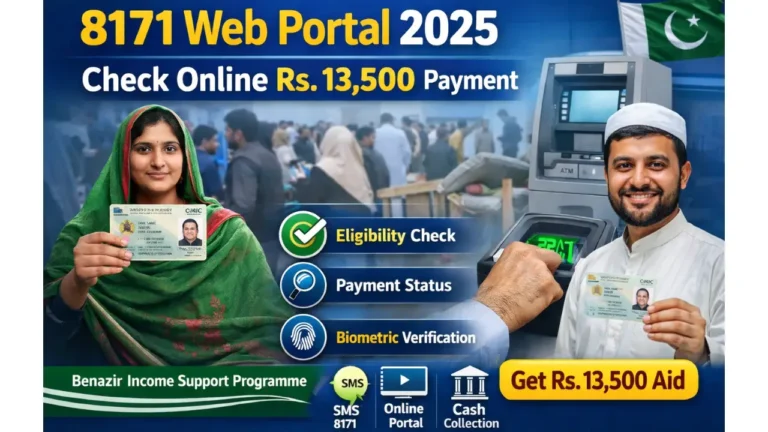
Registration via 8171 SMS Service
What 8171 Service is
The 8171 SMS service allows citizens to register or check Ehsaas status via mobile without using the web portal.
How the verification flow works
- Send your CNIC number to 8171
- Receive an automated response confirming registration status
- Follow instructions for missing details or updates
Common errors and fixes
- SMS not delivered: Check mobile network or correct number
- “CNIC not found”: Confirm your CNIC is correct and registered
- Pending status: Wait 24–48 hours for verification
Specific Registration Updates
What’s new in 2026
- Faster CNIC verification via updated digital systems
- Expanded eligibility for women-led households
- Priority for flood-affected and economically vulnerable districts
Process improvements
- Improved portal interface
- SMS confirmation for each step
- Automatic reminders for missing documents
Important deadlines
- District-level verification schedules are published online
- Early registration ensures timely inclusion in monthly disbursements
Ehsaas Program Verification & Status Checking
How to check registration status
- Online: Enter CNIC on the portal to see status
- SMS: Use 8171 service for instant updates
How to check CNIC verification
- Verify via NADRA-linked portal integration
- Cross-check against household registry
Status messages and their meanings
- “Verified”—Your application is approved
- “Pending”—Under review or awaiting document submission
- “Rejected” need to be corrected
Troubleshooting rejected or pending status
- Re-submit missing documents
- Update family income information
- Visit the nearest Ehsaas office if online corrections fail
Special Schemes Under Ehsaas
Punjab Ehsaas Rashan Riayat
Overview
A provincial initiative providing discounted essential food items to low-income households.
Eligibility
- Registered in Punjab
- Falling below income threshold
- Priority for senior citizens, widows, and female-headed households
How to apply
- Online via Punjab portal or local distribution centers
- CNIC verification required
Ehsaas Rashan Program (Federal)
Subsidy details
- Monthly food packages or cash transfers to buy groceries
- Quantity and cash support vary by household size
How beneficiaries are selected
- Based on income survey and national poverty registry
- Random checks and district-level verification
8123 Web Portal
Purpose
- Dedicated portal for Ehsaas and Rashan scheme applications
- Consolidates federal and provincial programs
Who should use it
- Citizens who want a centralized platform for multiple schemes
Step-by-step usage
- Visit the portal and enter CNIC
- Select relevant program
- Submit required details and documents
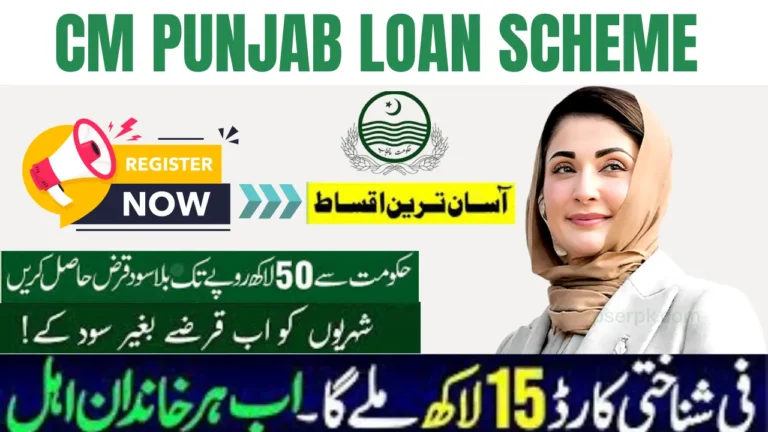
Ehsaas Loan Program
Interest-free loan structure
- Small loans to help start micro-businesses or cover urgent expenses
- Repayment is structured to be manageable for low-income households
Application method
- Online application via portal
- District-level registration assistance
Required documents
- CNIC
- Proof of business plan or intended loan usage
- Bank account details
CNIC Check for Loan Schemes
How CNIC verification works
- Cross-check with national database
- Ensures eligibility and prevents duplication
Common issues
- Incorrect CNIC entry
- Pending verification due to district office delays
- Resolved by re-verifying CNIC online or at the local Ehsaas center
Youth & Entrepreneurship Support
Prime Minister Loan Scheme 2025 (Overview & differences)
- Specifically targets young entrepreneurs
- Slightly higher loan caps compared to standard Ehsaas loans
- Emphasis on skill-based startups and self-employment opportunities
Ehsaas Payments & Disbursement
How payments are released
- Bank transfers to registered accounts
- Cash disbursement via approved centers
- Scheduled monthly payments for regular beneficiaries
Bank partnerships
- Multiple national banks for ease of access
- Verification ensures payment goes directly to the intended recipient
Cash-out methods
- ATM withdrawal
- Branch cash counters
- Mobile wallet (where available)
Payment delays: causes & solutions
- Delays due to incomplete verification
- CNIC mismatch or incorrect bank details
- Resolved by contacting local Ehsaas office or using 8171 SMS
Required Documents
- CNIC (primary identification)
- Mobile number (for SMS verification)
- Utility bill or proof of residence
- Bank account details (if receiving cash electronically)
- Income certificate or household survey confirmation
Common Problems & Solutions
- SMS not received—check network or resend after 24 hours
- Registration not found—verify CNIC and reapply if necessary
- CNIC mismatch – Correct details via local Ehsaas office
- Biometric issues—Update fingerprint or verification record at office
- Portal errors—Clear cache, try different browser, or visit district center
Frequently Asked Questions
What is the Ehsaas Program?
The Ehsaas Program is Pakistan’s largest social protection initiative, providing financial assistance, food support, loans, and youth development opportunities for low-income and vulnerable households. It combines multiple schemes under one umbrella for easier access.
How do I register?
You can register online through the official portal or via the 8171 SMS service. Required documents include your CNIC, mobile number, and household details. Once submitted, your registration will be verified through digital checks and district surveys.
What is 8171?
8171 is a dedicated SMS service that allows citizens to register for Ehsaas, check their status, and receive updates directly on their mobile phones. It is especially helpful for those without internet access.
How do I check eligibility?
Eligibility is based on household income, family size, geographic location, and other criteria such as age, gender, and disability status. You can verify your eligibility through the portal or by sending your CNIC to 8171.
Why is my payment delayed?
Common reasons for delays include:
- CNIC or bank details mismatch
- Pending verification or incomplete documents
- Technical issues with the portal or bank systems
Delays can usually be resolved by updating details or contacting the local Ehsaas office.
Can I reapply after rejection?
Yes. If your application was rejected due to incorrect information or missing documents, you can correct the details and reapply through the portal or local district office.
What has changed in 2026?
- Expanded eligibility for women-led households
- Faster CNIC verification systems
- Updated income thresholds
- Priority support for economically vulnerable or disaster-affected districts
Comparison With Similar Schemes
Difference between Ehsaas and BISP
- Ehsaas is broader in scope, including loans, youth programs, and food subsidies.
- BISP focuses primarily on cash transfers for low-income families.
Federal vs. provincial subsidies
- Federal schemes cover the entire country and manage major financial programs.
- Provincial initiatives, such as Punjab Ehsaas Rashan Riayat, focus on local needs and food distribution.
- Both systems work together to ensure comprehensive coverage.
Loan programs vs. cash support
- Cash support provides immediate relief for essentials.
- Loan programs, including interest-free loans, encourage entrepreneurship, income generation, and long-term economic independence.
Conclusion
Why the program matters
The Ehsaas Program plays a critical role in reducing poverty, empowering vulnerable families, and strengthening social resilience. It is not only a short-term relief system but also a tool for long-term socio-economic development.